
PLC programming blog
Plain English guides for people learning PLCs: how the code works, the tools engineers use, and what it takes to get into the job.
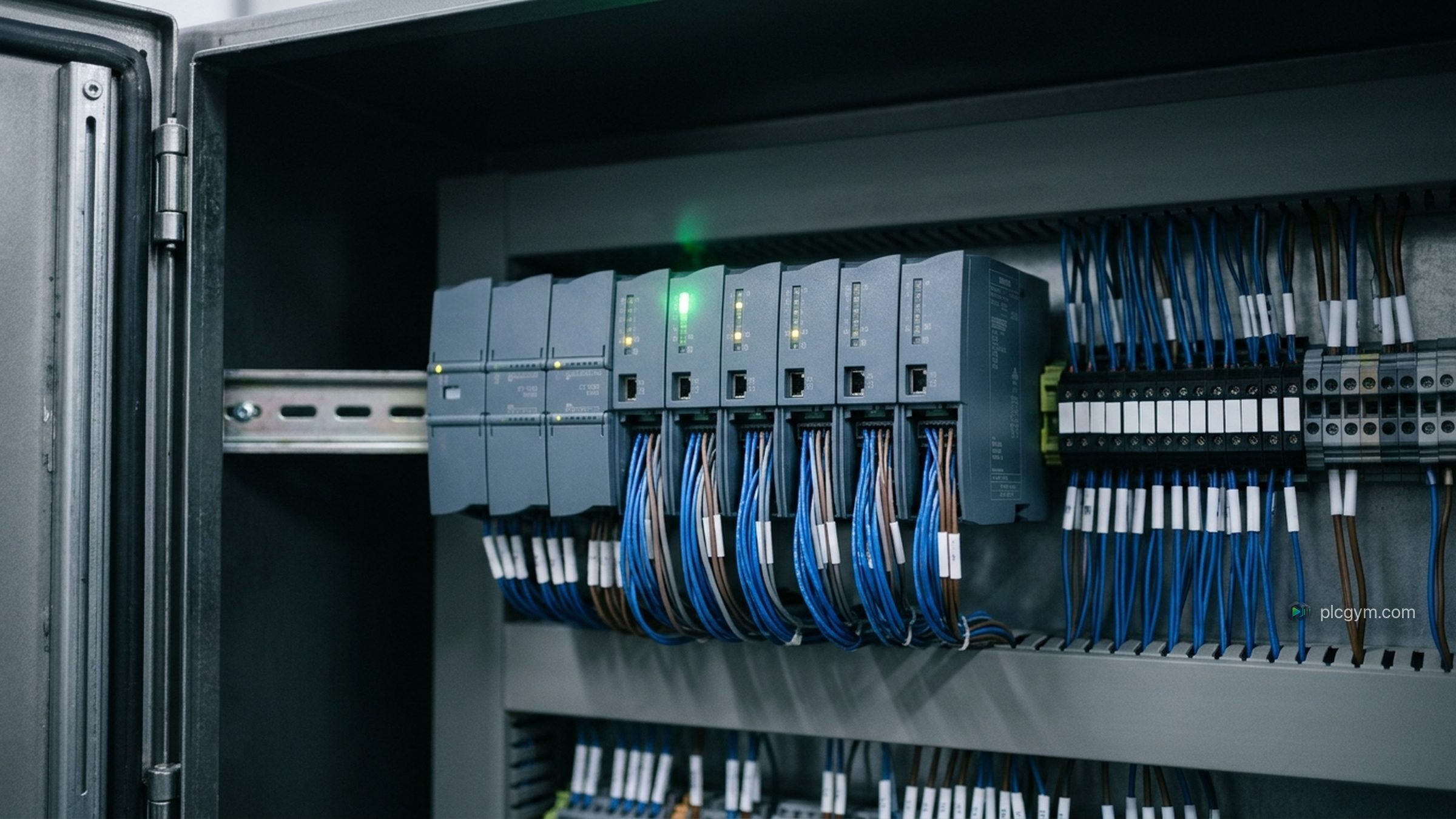
Programming logic controllers: how PLC code actually works
Programming logic controllers, explained: how a PLC reads inputs, runs your code and sets outputs, the standard languages, and how to start.
Read the guide
PLC certification: what it is, and do you need it?
PLC certification explained: what Siemens, Rockwell and UK colleges offer, what employers look for, and when a certificate is worth paying for.
Read the guide
Structured Text programming: a beginner's guide
Structured Text programming for beginners: IF, CASE, FOR, timers and the scan, with examples for Siemens SCL and Rockwell Studio 5000.
Read the guide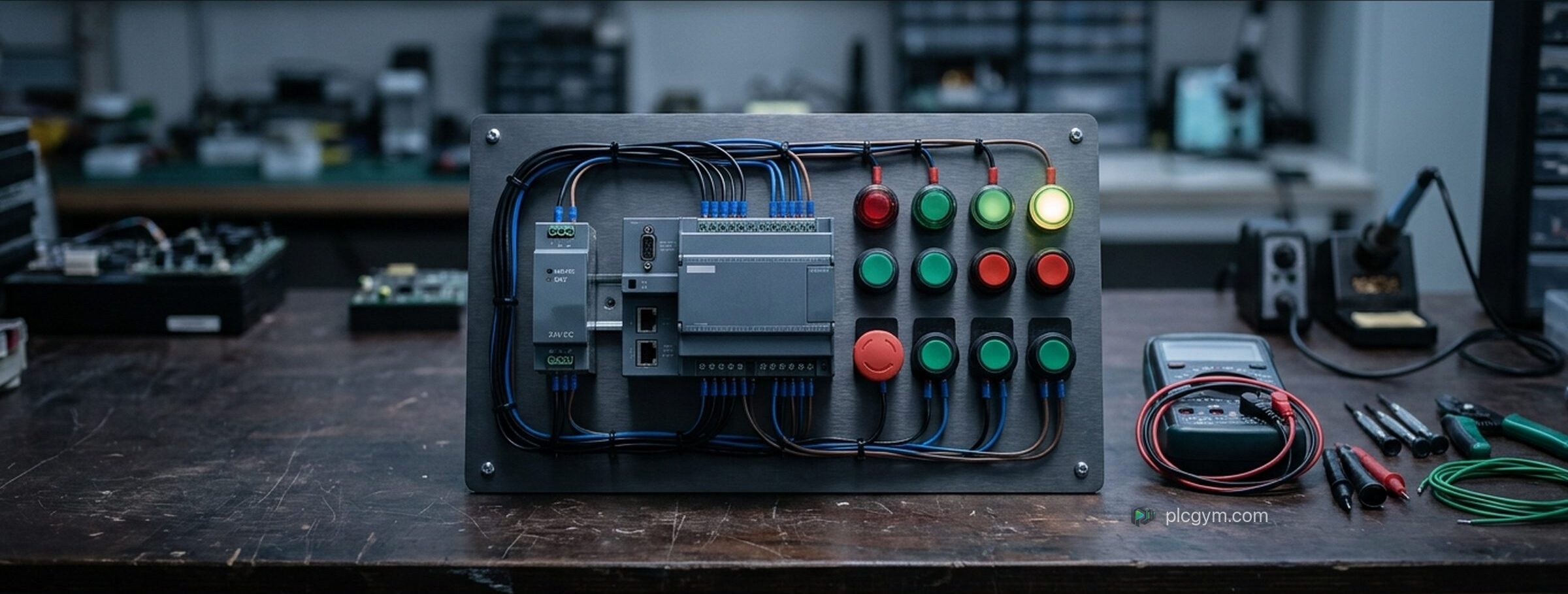
PLC kit for training: do you need hardware to learn?
Thinking of buying a PLC kit for training? What a trainer kit includes, what it teaches well, what it misses, and when a simulator is enough.
Read the guide
PLC technician training: the routes into the job
PLC technician training in the UK: apprenticeships, college courses and self study, what the job involves and the skills employers ask for.
Read the guide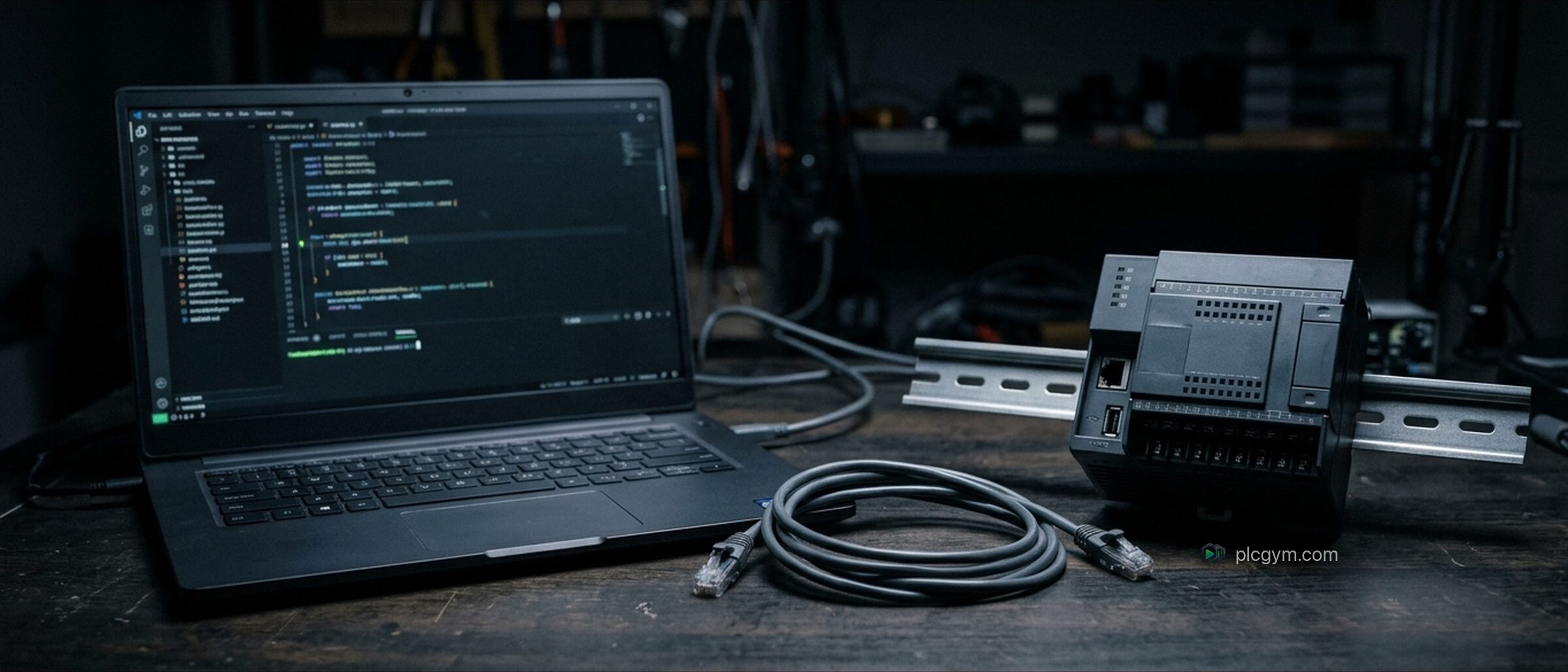
PLC emulator or simulator: what's the difference?
PLC emulator or simulator? What each one copies, the tools Siemens and Rockwell offer, and which you need to learn or test PLC code.
Read the guide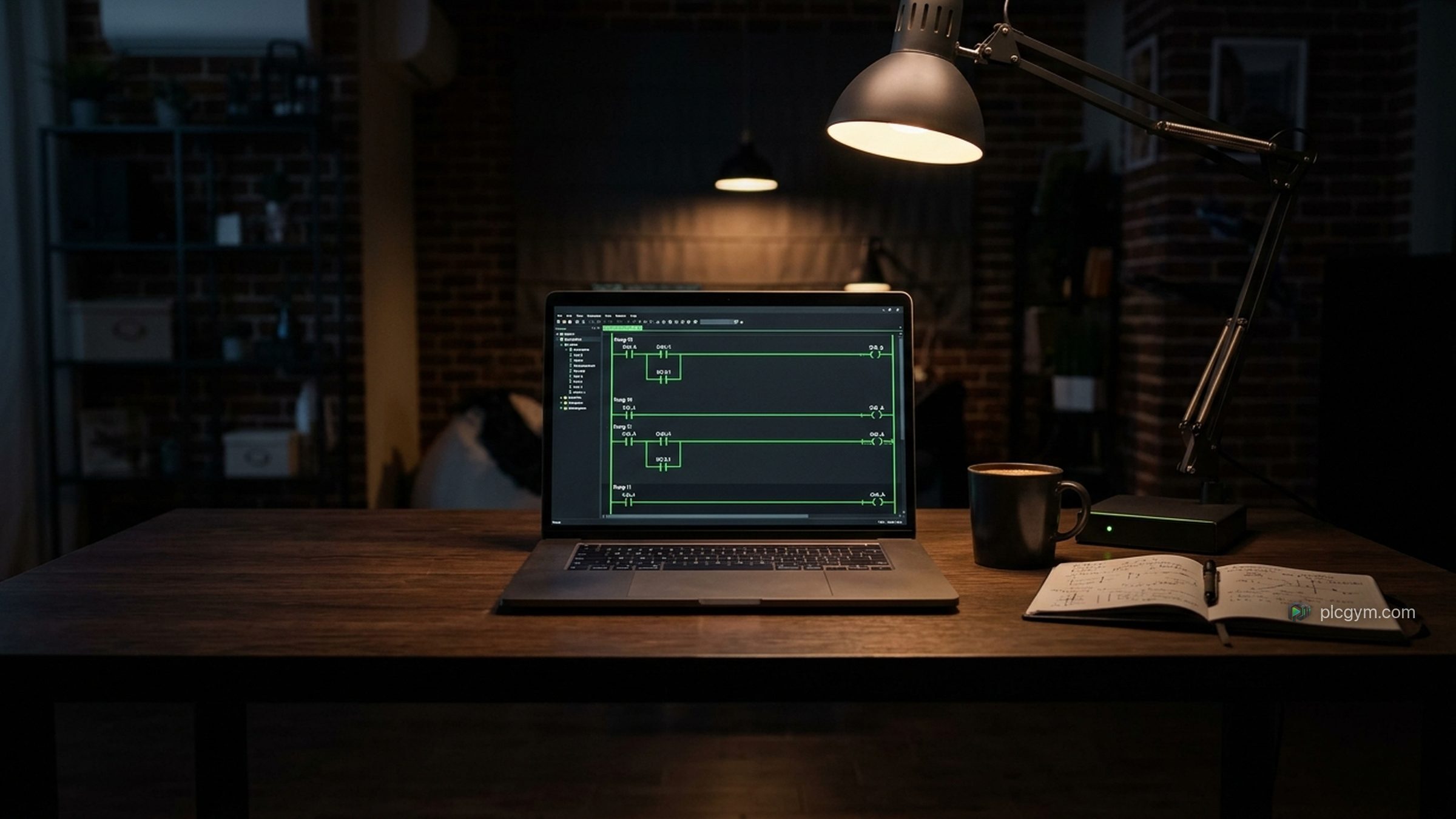
TIA Portal simulation: testing Siemens code without a PLC
TIA Portal simulation explained: what S7-PLCSIM and PLCSIM Advanced do, what they need, and how to practise Siemens code with no hardware.
Read the guide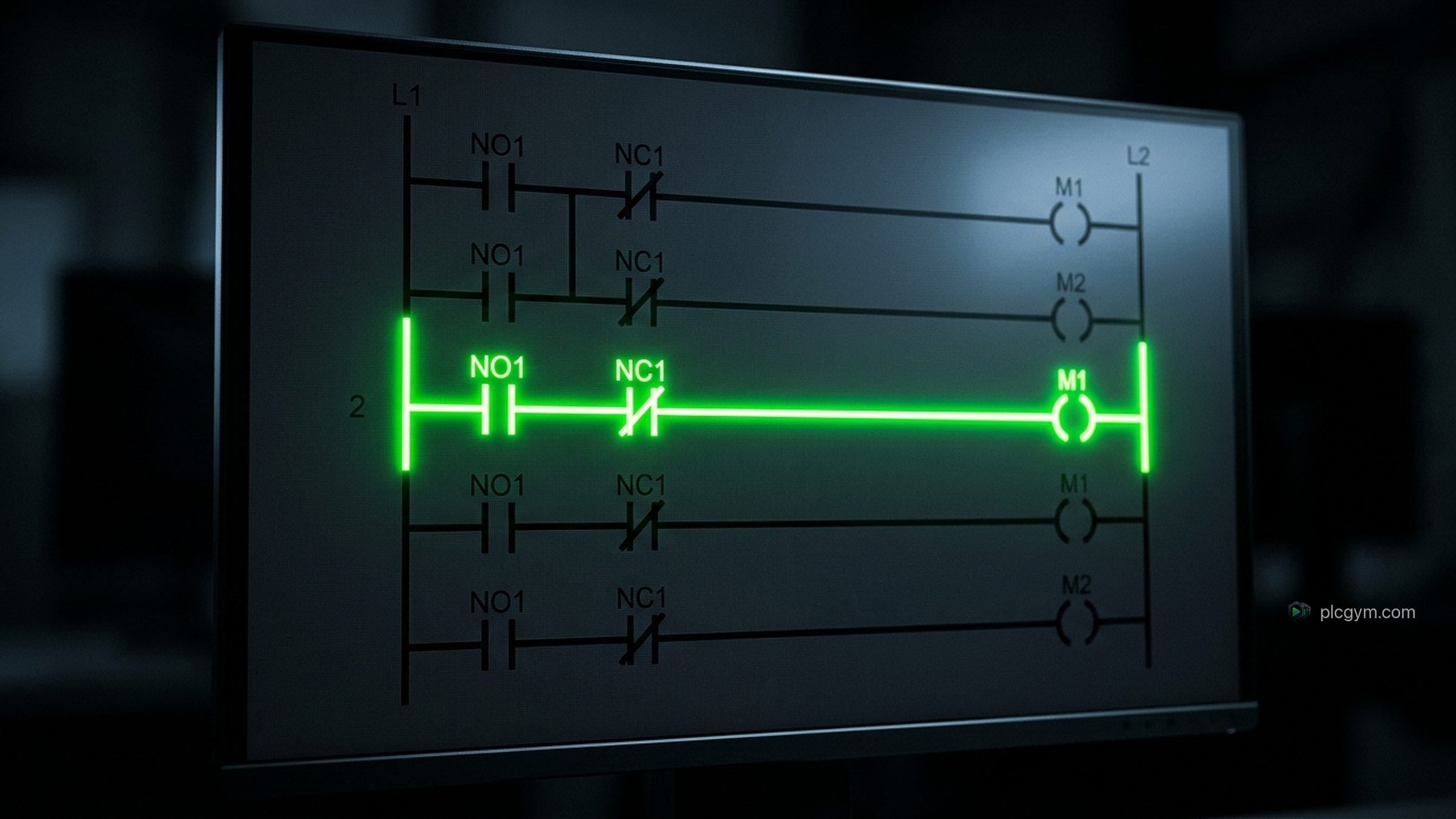
Learn ladder logic: rungs, contacts and coils explained
Learn ladder logic from scratch: how rungs, contacts and coils work, how to build a start and stop circuit, and the mistakes beginners make.
Read the guide